Venice Biennale

Venice Biennale

Concept, Development, Identity

Commissioned by the The Hong Kong Institute of Architects for the Hong Kong Pavilion at the 2025 Venice Biennale, “Projecting Future Heritage: A Hong Kong Archive” explores the role of cultural memory, speculative preservation and the evolving identity of Hong Kong within a global architectural discourse.
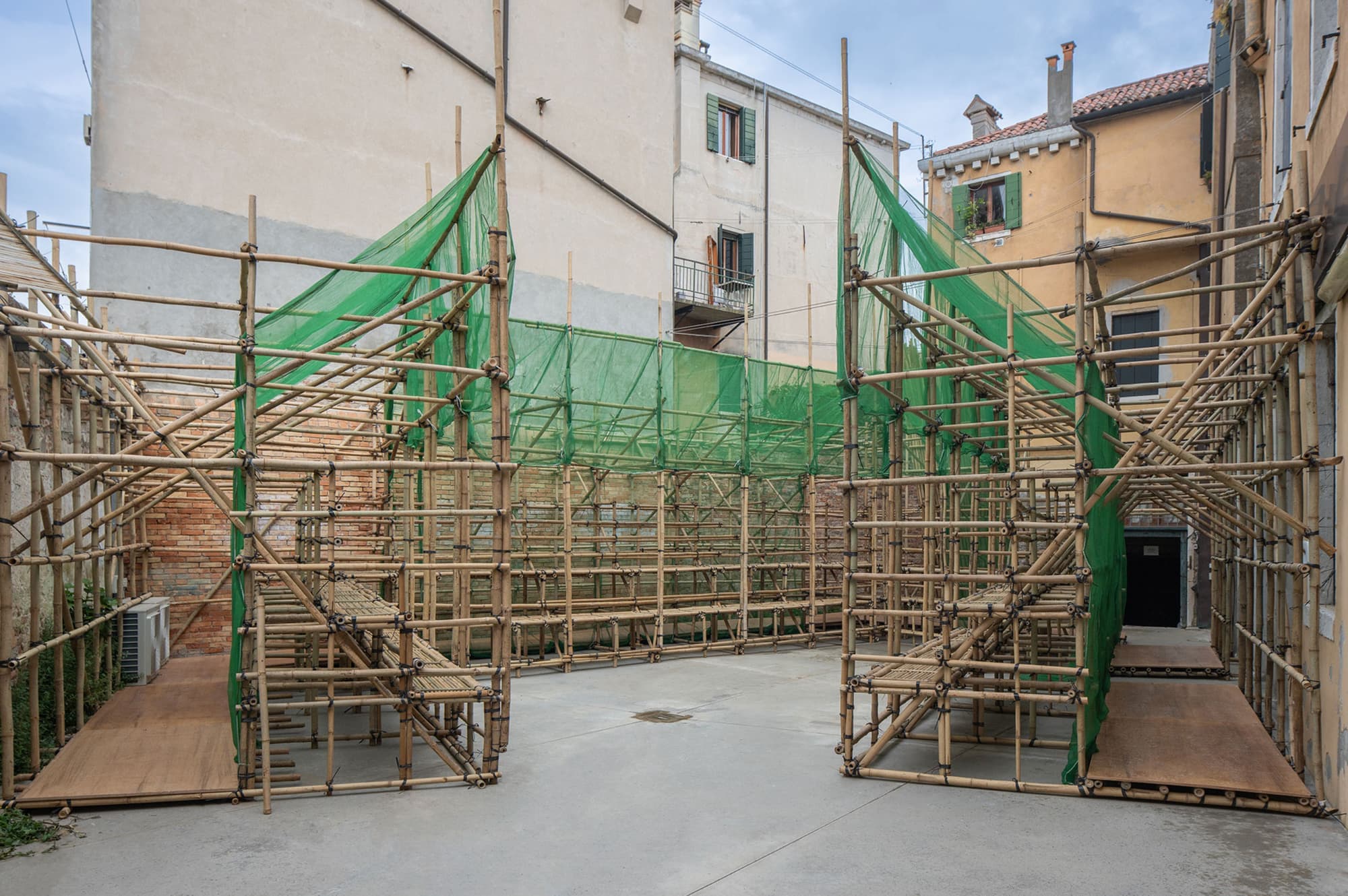
Installation of a bamboo structure at the HK Pavilion. -Photo by Oliver Yin Law-

Installation of a bamboo structure at the HK Pavilion. Photo by Oliver Yin Law
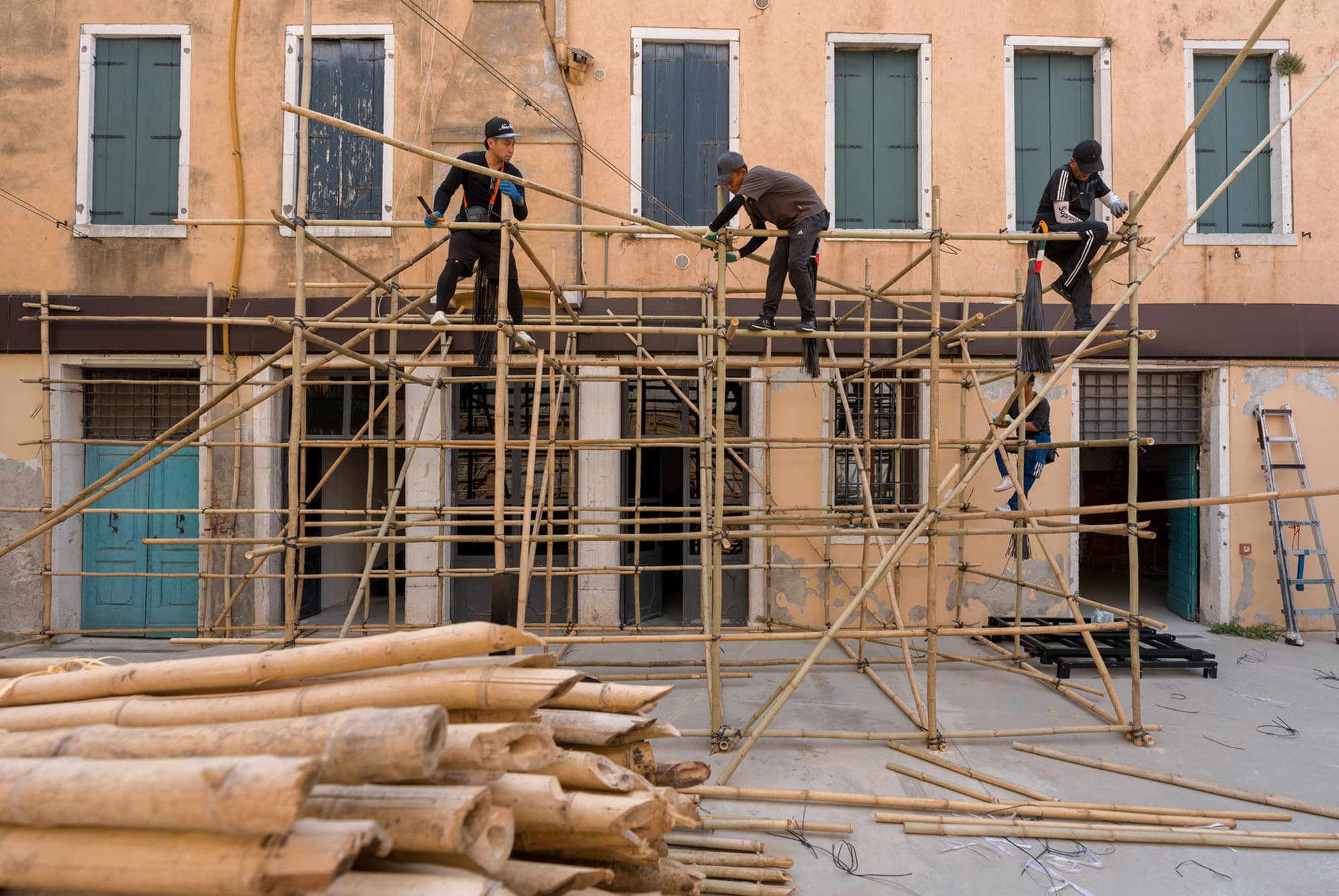
A team of bamboo artists at work. -Photo by Oliver Yin Law--2

A team of bamboo artists at work. Photo by Oliver Yin Law
DSCF7889-web

DSCF8170

DSCF8187

DSCF8210

DSCF8127 (1)

DSCF8147

DSCF8140

DSCF8184 (1)

DSCF8180

DSCF8113 (1)

DSCF8055-web

DSCF7860-web

DSCF7853(2)

Screenshot 2025-04-24 at 19.04.02

Screenshot 2025-04-27 at 14.44.17

Venice Biennale, 2025

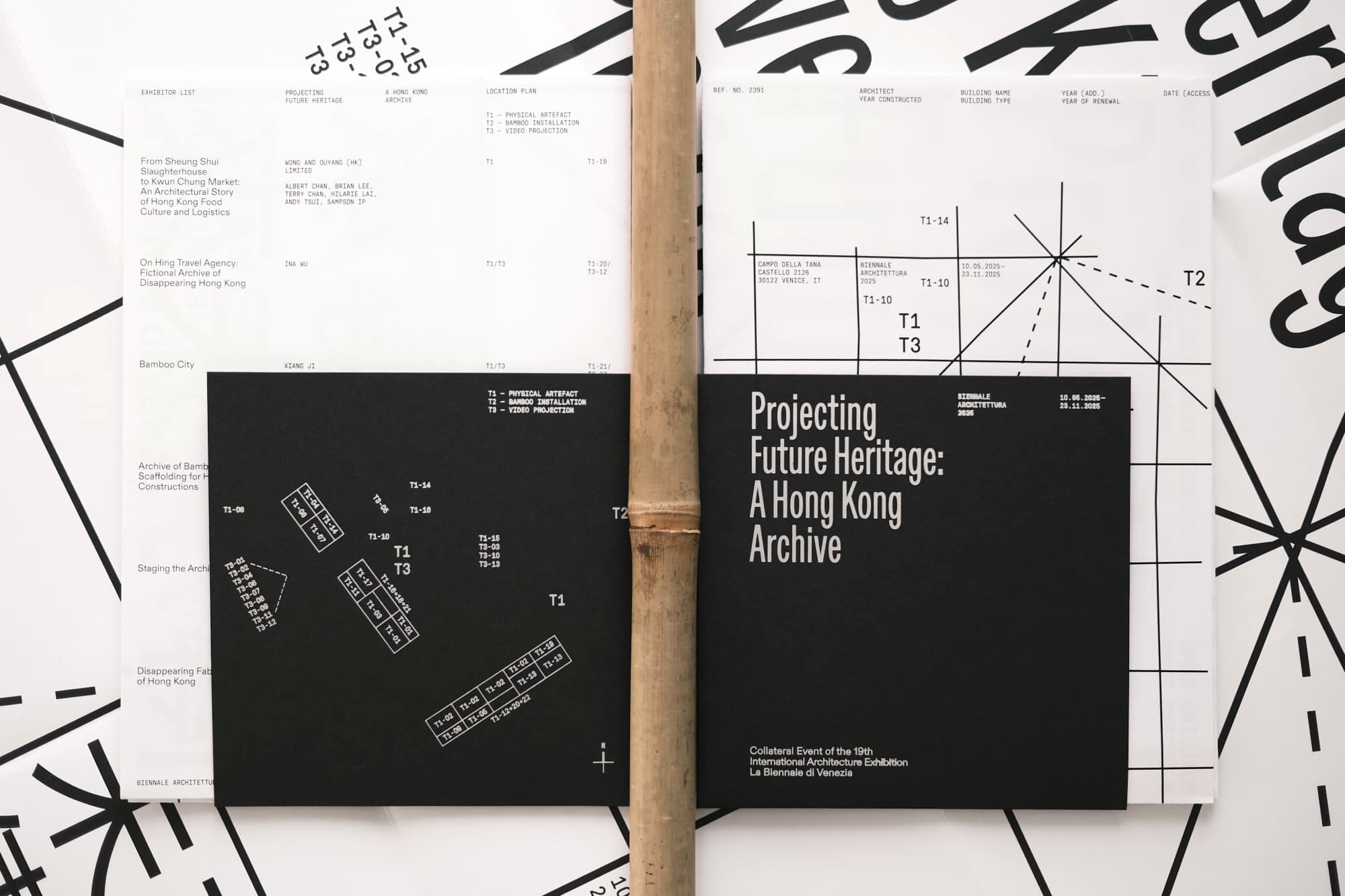
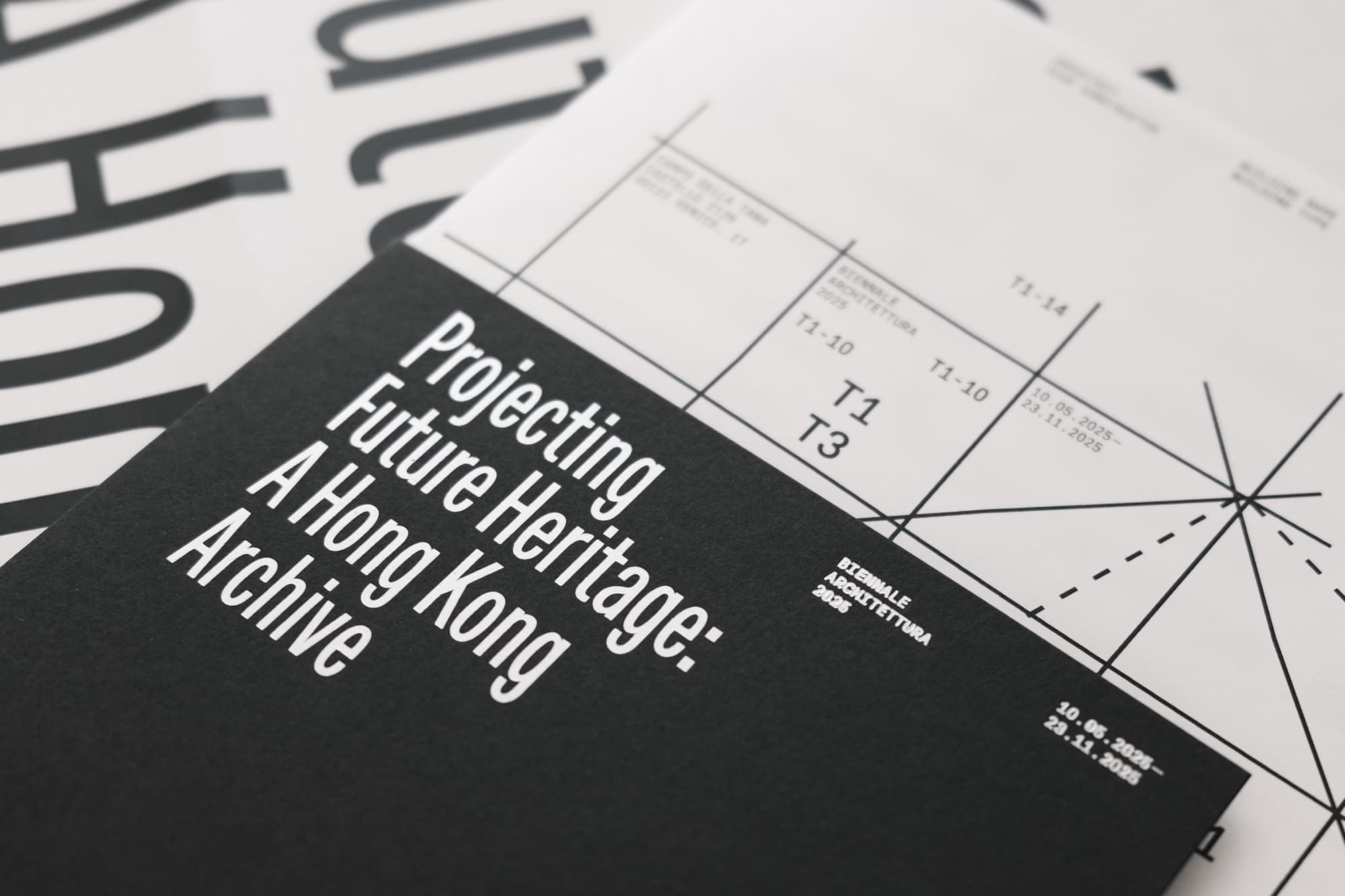
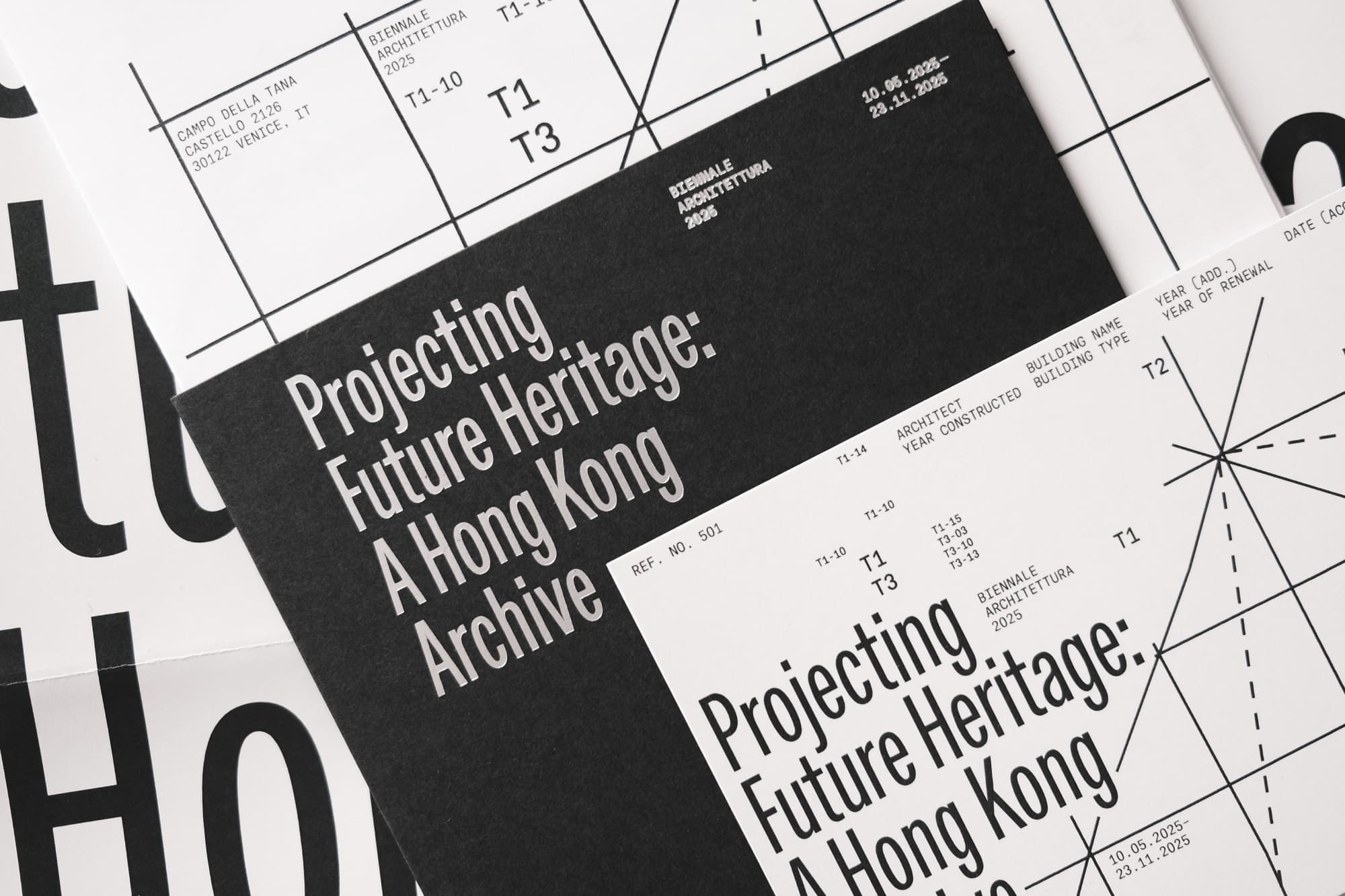
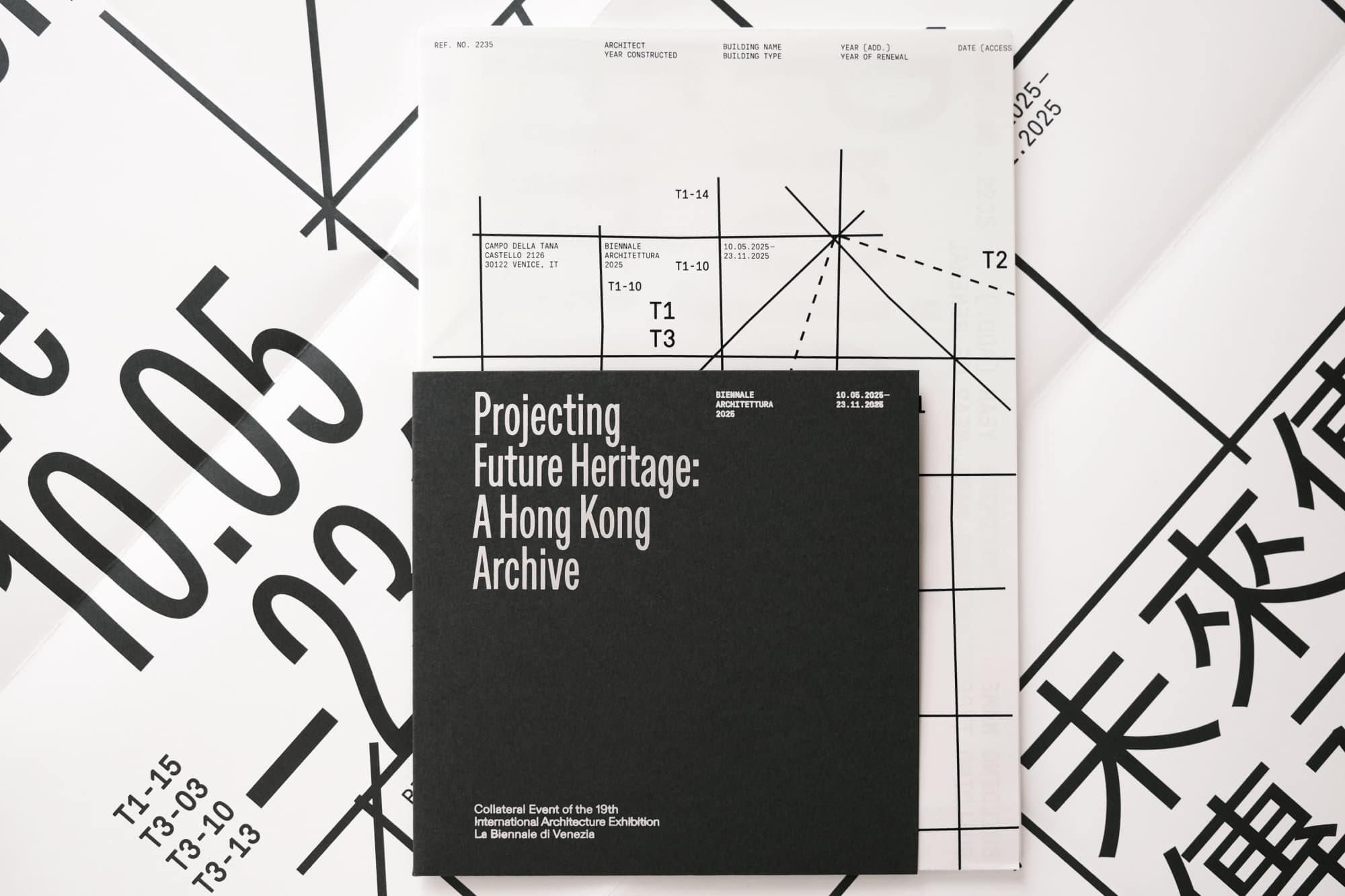
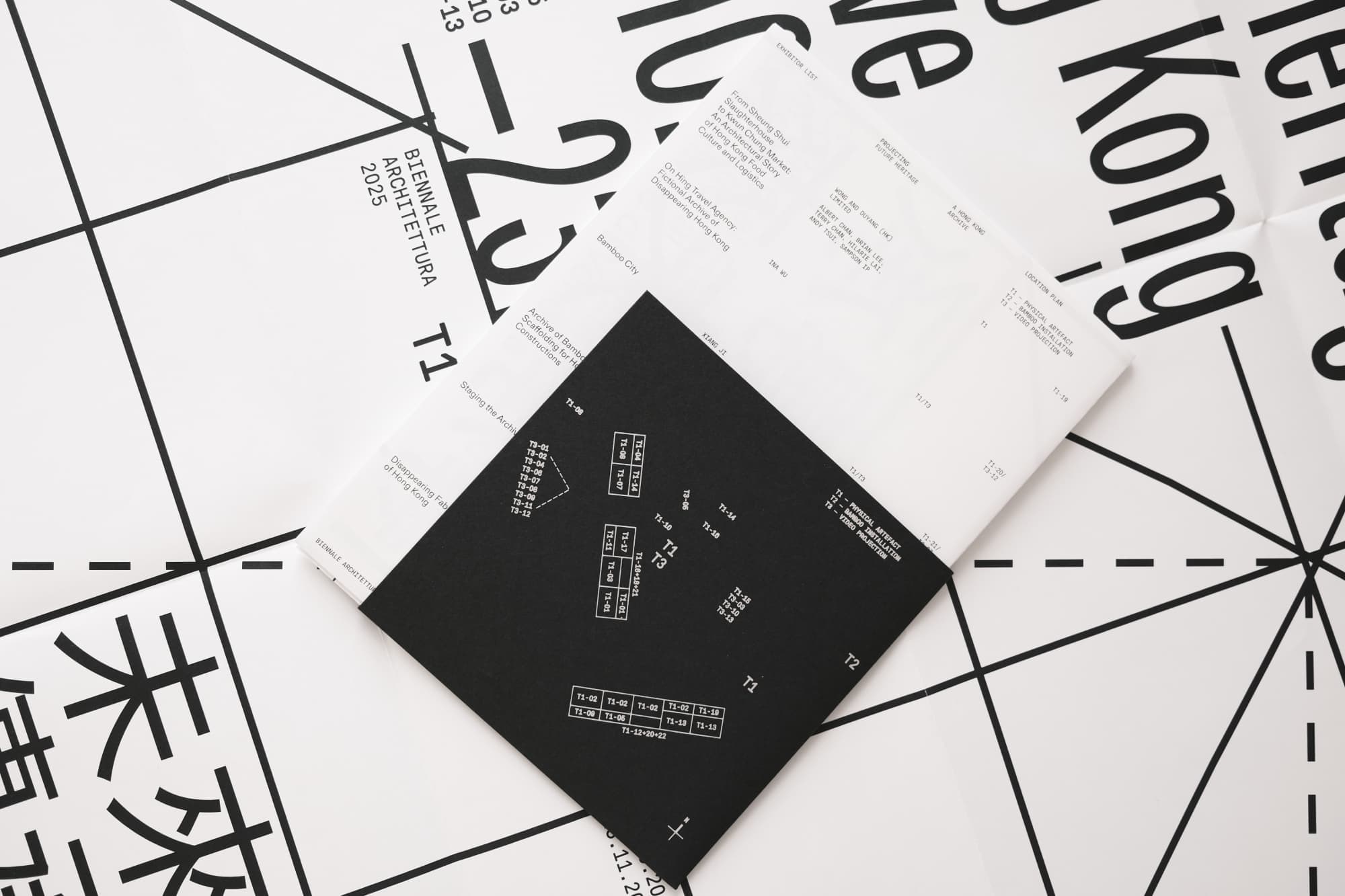
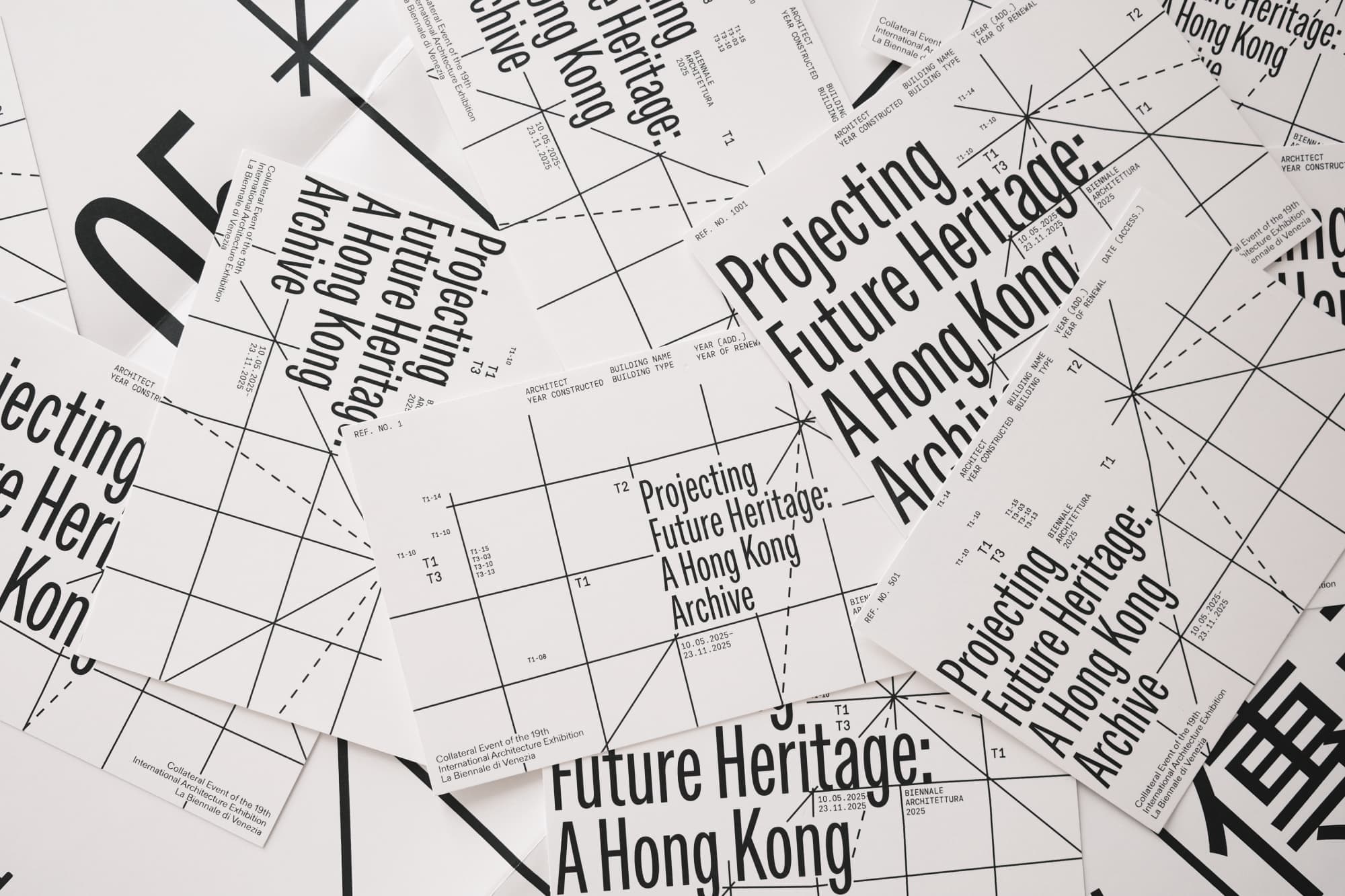
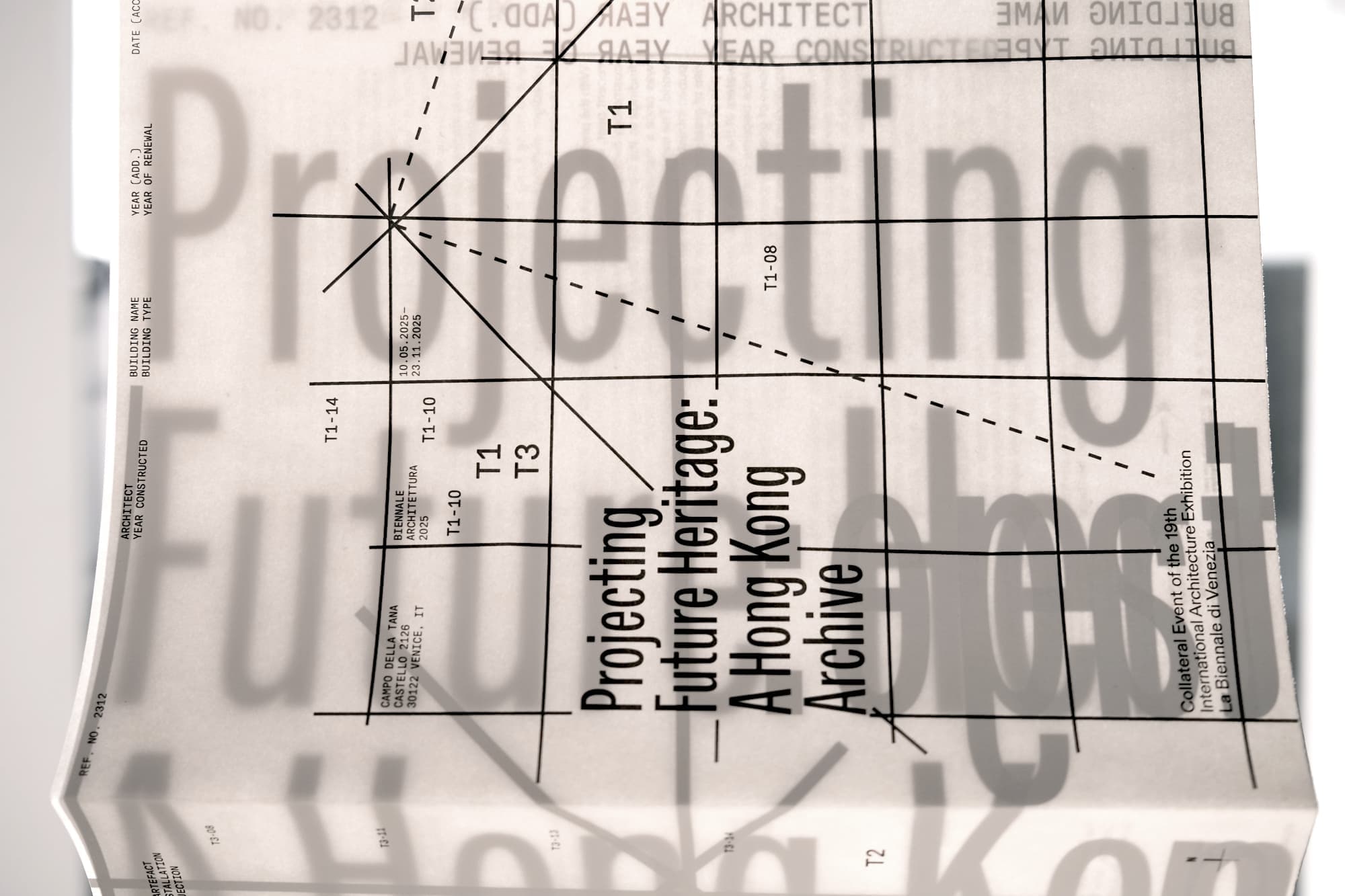
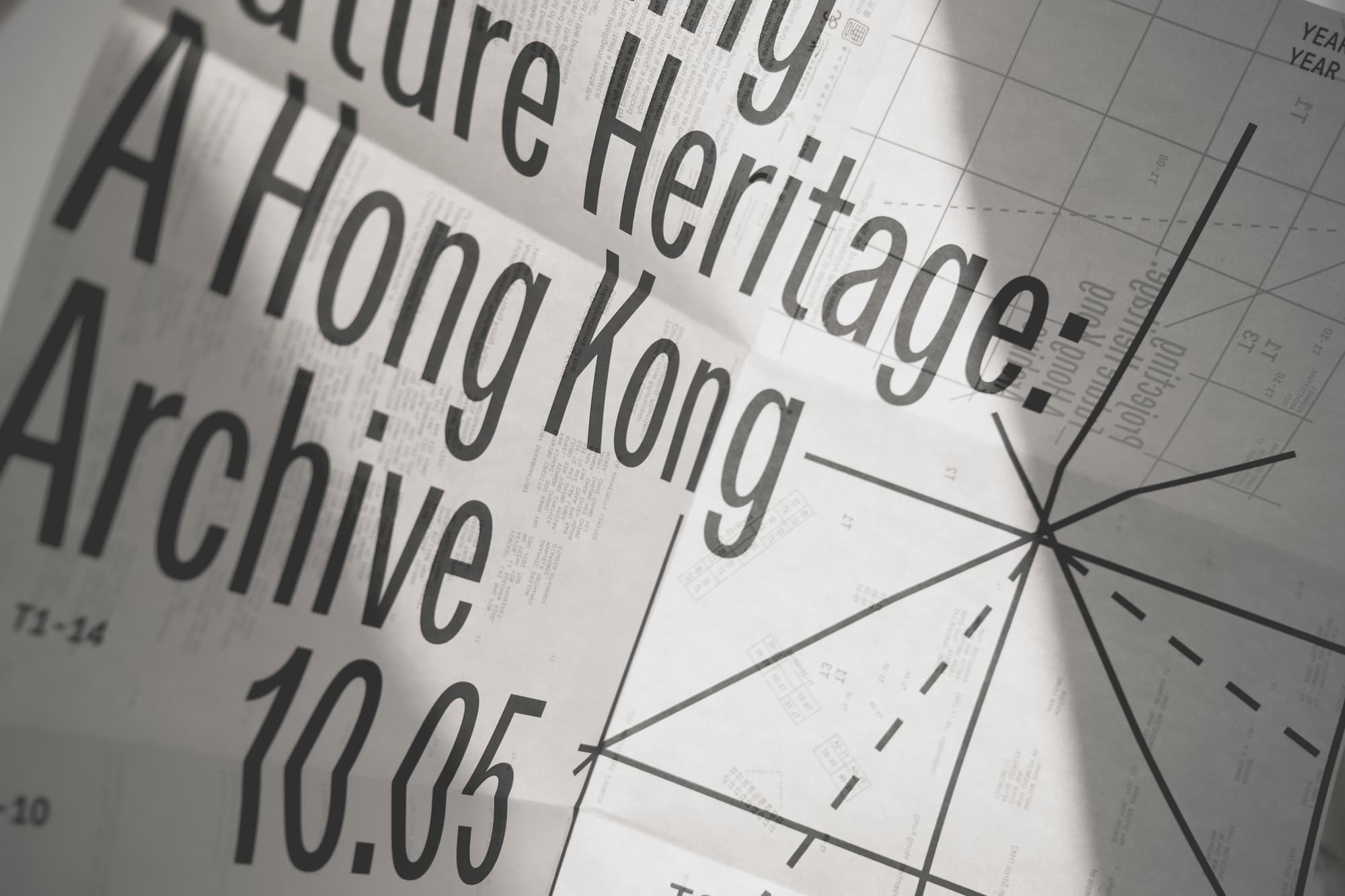
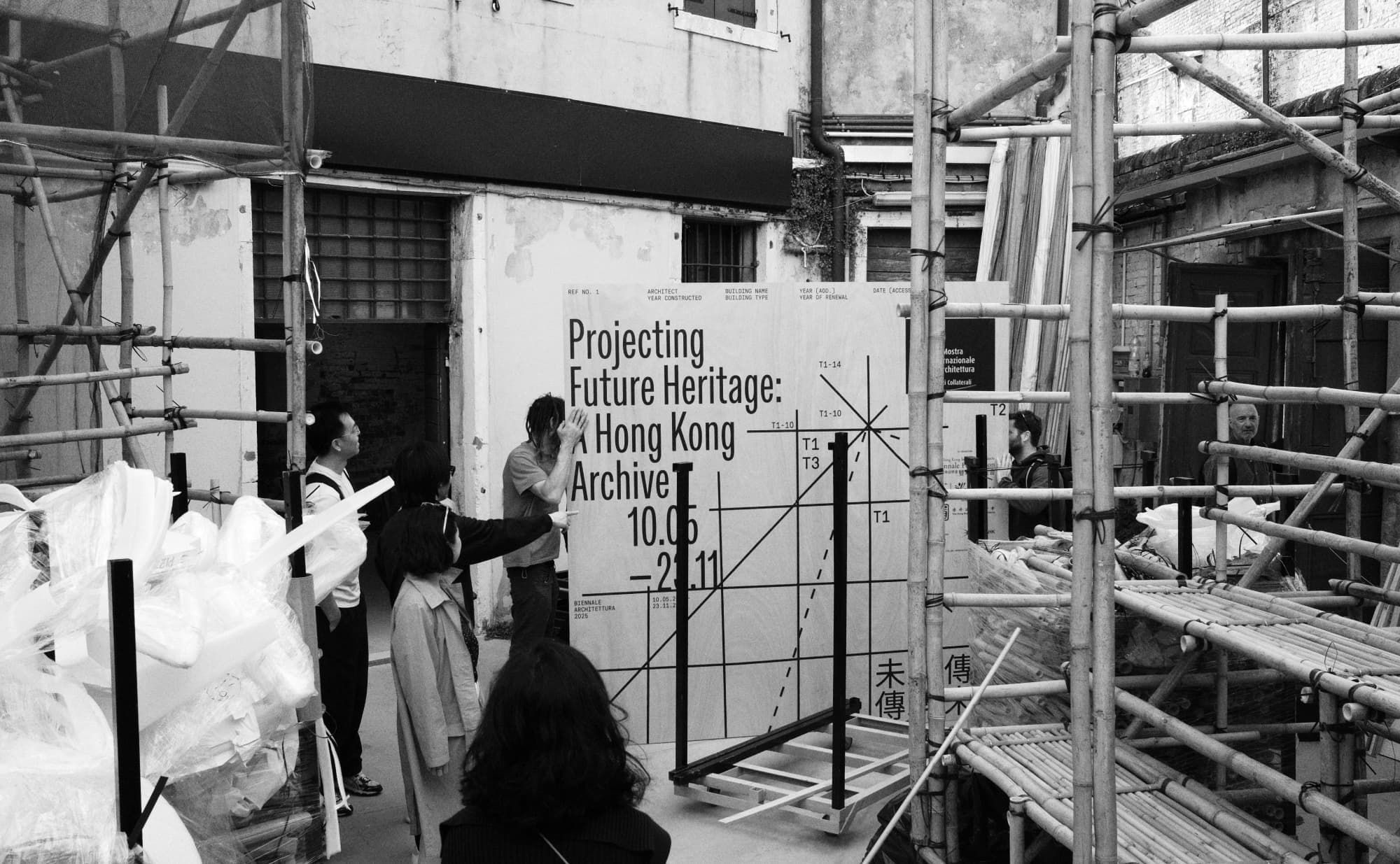
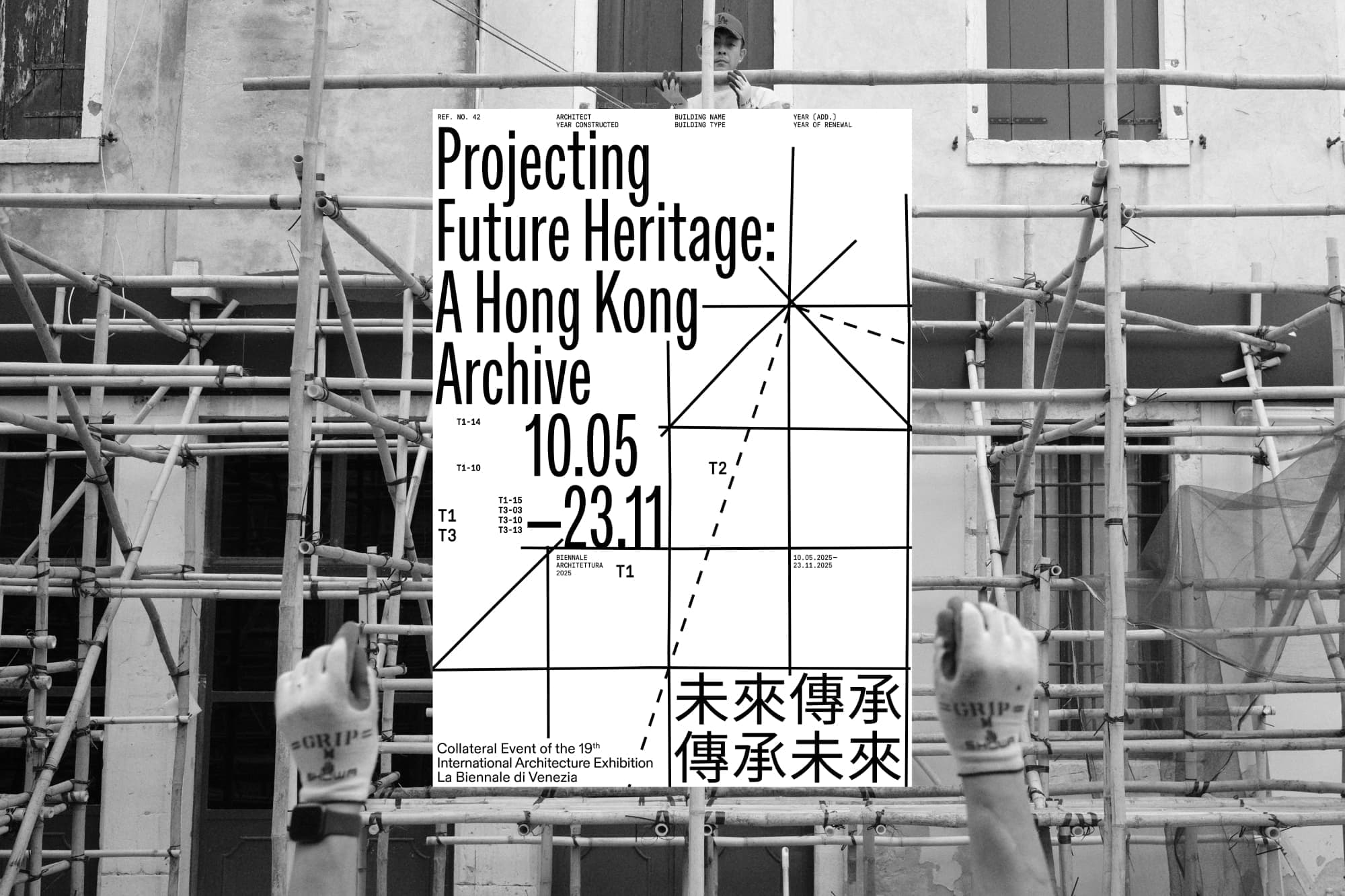
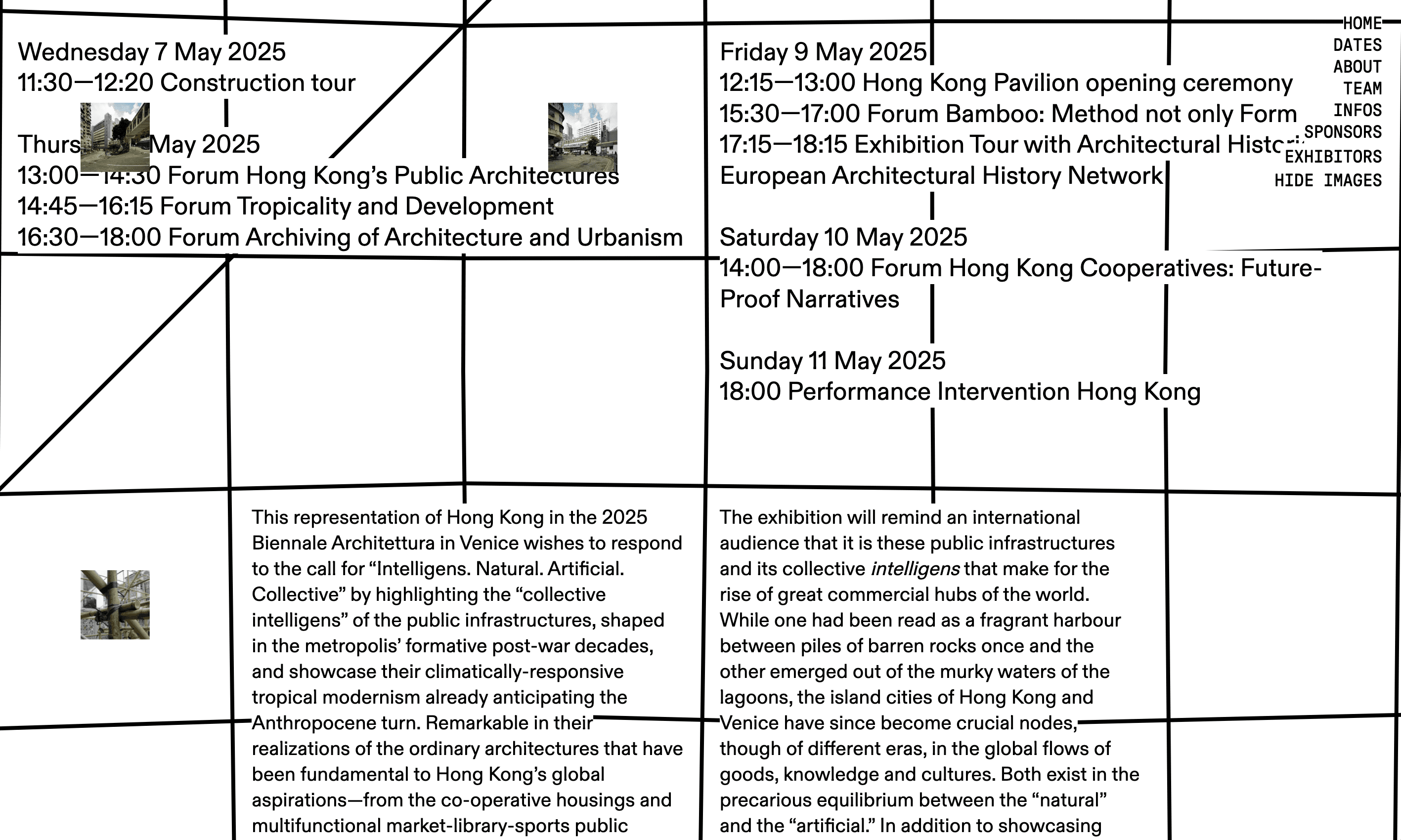
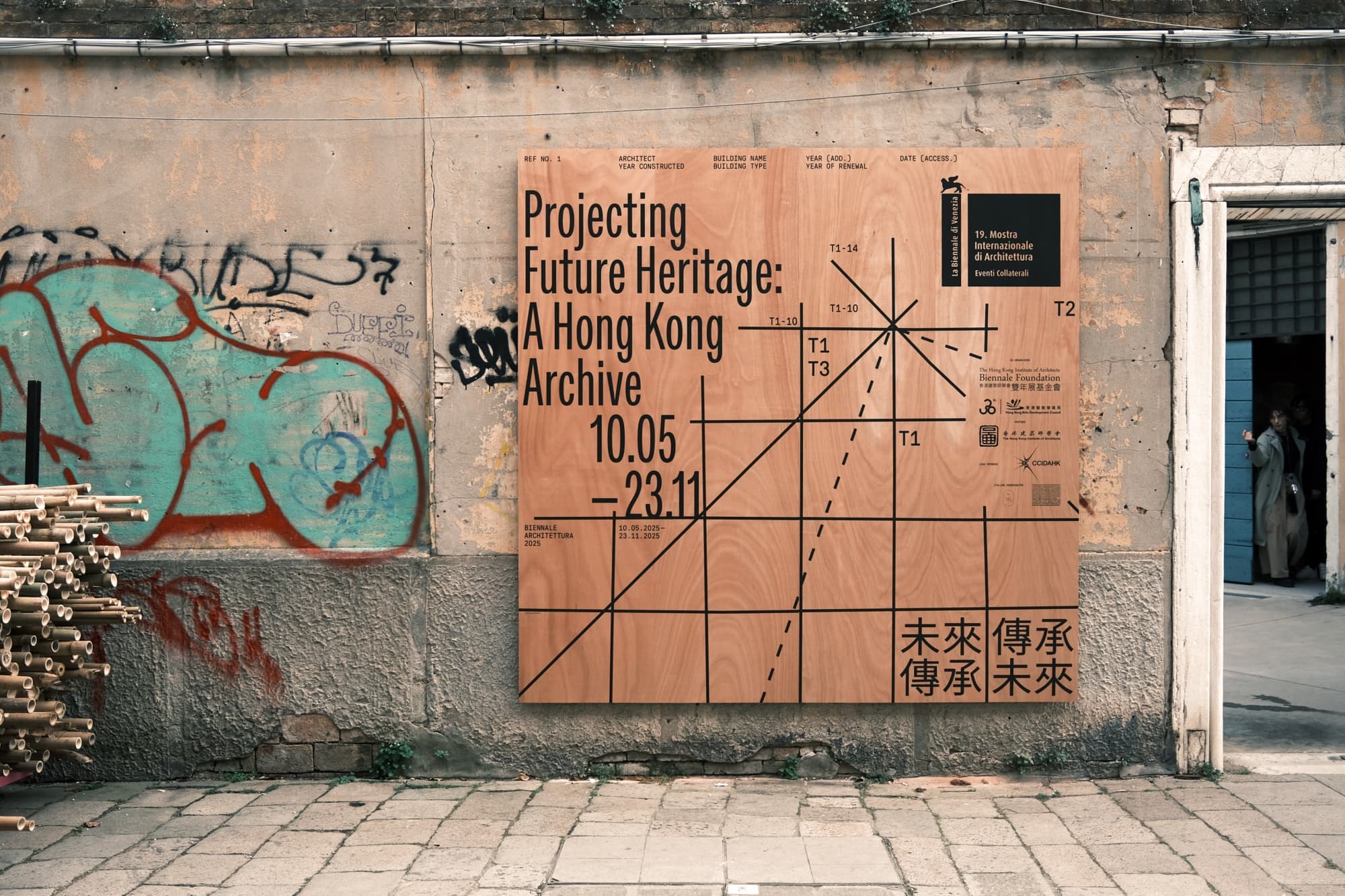
Creative Direction for the Hong Kong Pavilion at the 2025 Venice Biennale, “Projecting Future Heritage: A Hong Kong Archive” explores the role of cultural memory, speculative preservation, and the evolving identity of Hong Kong within a global architectural discourse. Developed in collaboration with Marius Jopen, the visual identity responds to these themes with a modular system rooted in the logic and symbolism of bamboo scaffolding, a ubiquitous, disappearing vernacular architecture in Hong Kong.

Built from memory rather than blueprints, the scaffold becomes both structural grid and cultural metaphor: fast, flexible, impermanent. Referencing Superstudio’s utopian grids and the disappearing craftsmanship of bamboo construction, the design system operates between tribute and tool, as much an archive as a layout device. It holds space for stories in flux, creating a visual language that is adaptable, intentional, and always under construction.

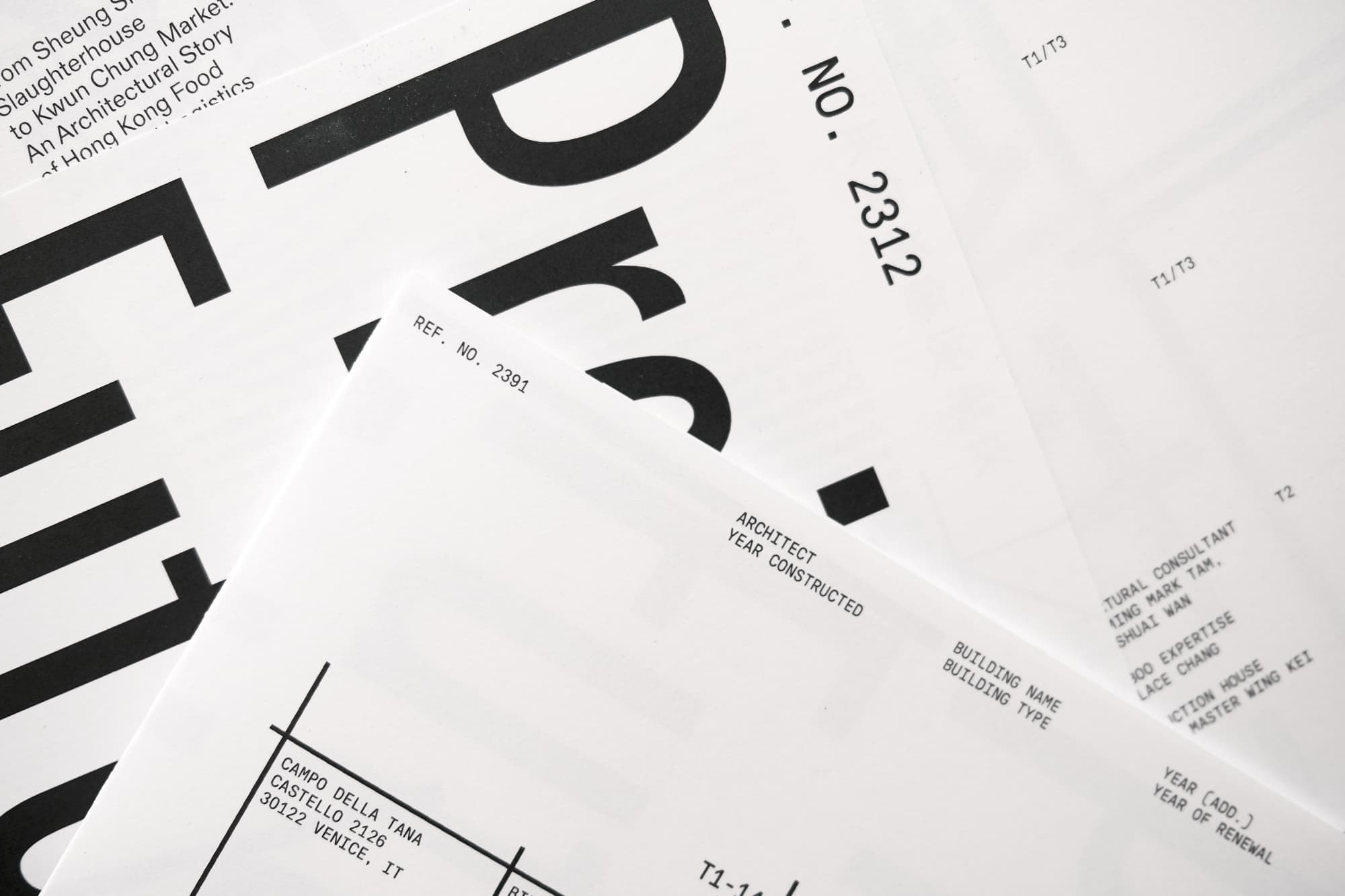
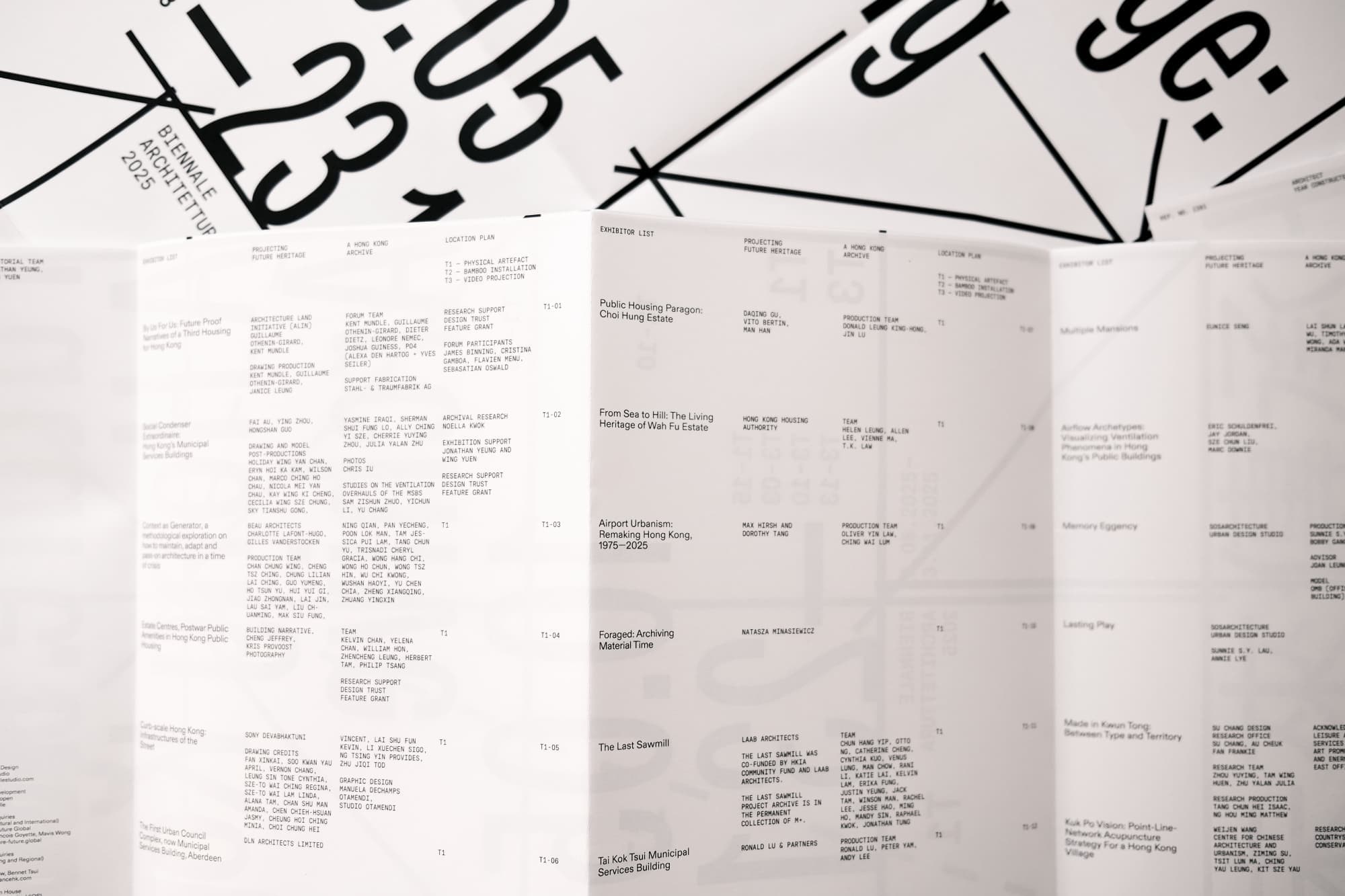
A unique feature of the printed collateral is the inclusion of a distinct reference number on every item—whether pamphlets, postcards, banners, or panels. This system not only personalizes each piece but reinforces the archival theme, turning every print into a traceable artifact within the evolving narrative. The entire project—from concept to delivery—was executed in an exceptionally tight timeline. This constraint demanded a design approach that was agile, modular, and deeply intuitive. The work encompassed the development of a scalable design system across print, digital, and spatial formats, including exhibition graphics, a dedicated website, and printed collateral. The identity was designed to be open-ended, a framework rather than a fixed aesthetic, mirroring the speculative and archival spirit of the pavilion itself.

Klaus Stille, Creative Direction
Marius Jopen (100k.studio) & Klaus Stille, Web Development